
The Kindle Phenomenon: Transforming the Way We Read
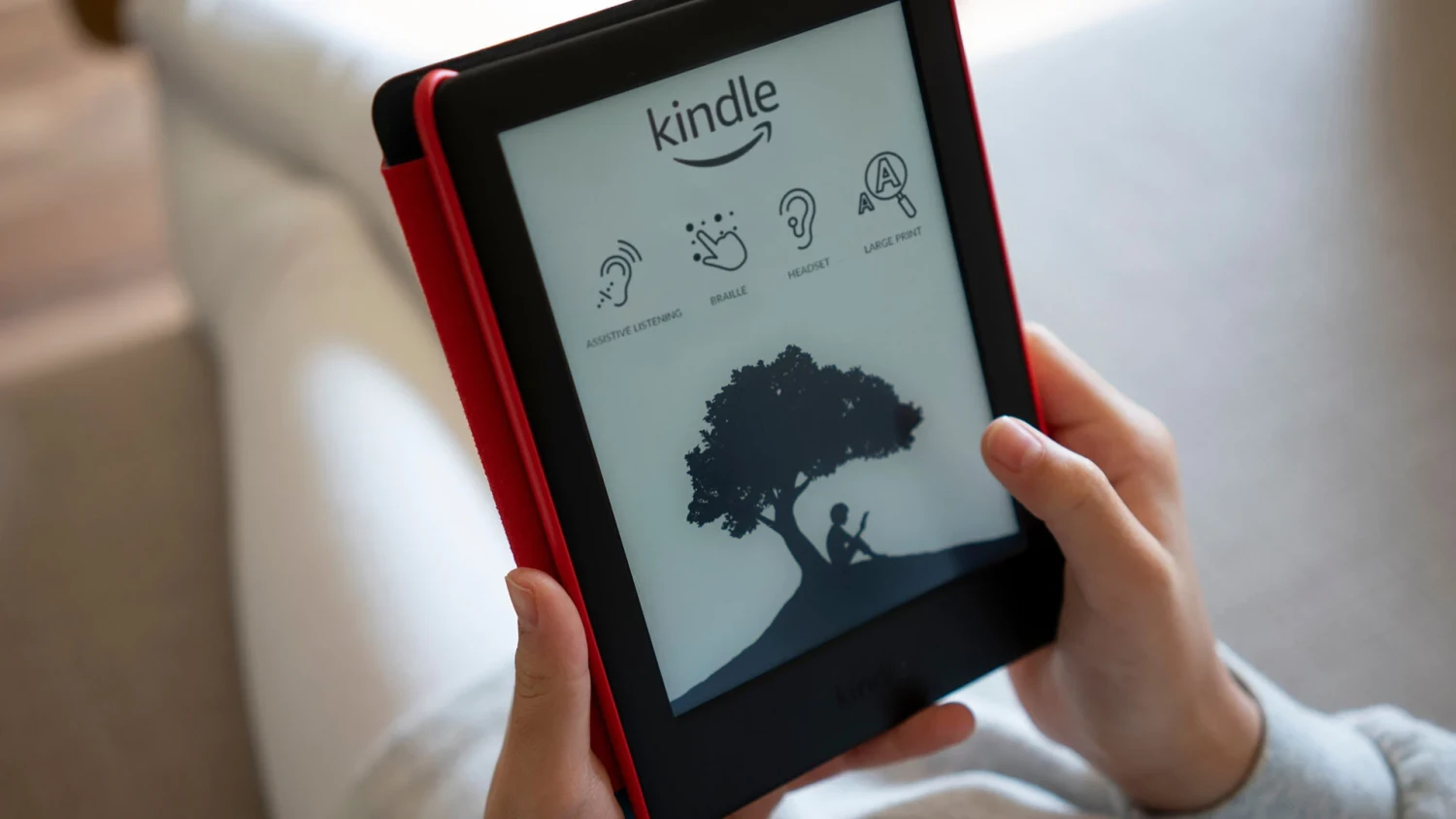
In the age of digital transformation, the Kindle has emerged as a revolutionary force in the world of reading. Since its introduction, Amazon's Kindle has not only changed the way we consume books but has also reshaped the publishing industry. Let’s dive into the phenomenon of the Kindle and explore how it has transformed the reading experience.
The Birth of Kindle
Launched in 2007, the Kindle was Amazon’s foray into the e-reader market. It was designed to offer a portable, user-friendly device that could store thousands of books. The initial skepticism quickly gave way to widespread acceptance as readers embraced the convenience and efficiency of digital reading.
Convenience and Portability
One of the most significant advantages of the Kindle is its portability. A single device, often weighing less than a paperback, can hold an entire library. This means you can carry your favorite novels, textbooks, and magazines wherever you go. Whether you're traveling, commuting, or relaxing at home, your entire book collection is just a tap away.
Access to a Vast Library
The Kindle Store offers millions of books across various genres, including bestsellers, classics, and indie publications. With instant access to such a vast library, readers can discover new authors and genres effortlessly. Features like Kindle Unlimited and Prime Reading further enhance this experience by offering access to thousands of titles for a monthly subscription fee.
Enhancing the Reading Experience
Kindle devices come with features designed to enhance the reading experience:
- Adjustable Font Size and Style: Customize the text to suit your reading comfort.
- Built-in Dictionary and Wikipedia: Look up definitions and information without leaving the page.
- Highlighting and Note-Taking: Mark important passages and jot down notes easily.
- Whispersync Technology: Sync your reading progress across multiple devices, so you can switch between your Kindle, smartphone, or tablet without losing your place.
E-Ink Technology
One of the standout features of Kindle devices is their E-Ink display. Unlike traditional screens, E-Ink mimics the appearance of paper, reducing glare and eye strain. This makes reading on a Kindle more comfortable, even for extended periods, and in various lighting conditions, including direct sunlight.
Environmental Impact
The shift to digital reading has also had an environmental impact. By reducing the need for paper and physical book production, e-readers like the Kindle contribute to lowering the carbon footprint associated with publishing. While the production of e-readers does have an environmental cost, the long-term benefits of reduced paper use and transportation emissions can be significant.
Self-Publishing Revolution
The Kindle has democratized the publishing industry through platforms like Kindle Direct Publishing (KDP). Authors can now self-publish their works and reach a global audience without the need for traditional publishing houses. This has led to a surge in indie authors and a diverse array of content that might not have been available otherwise.
The Future of Reading
As technology continues to evolve, so does the Kindle. With the introduction of features like Audible integration for audiobooks and adaptive front lighting, Amazon is continuously enhancing the Kindle experience. Future advancements may include even more immersive and interactive reading experiences, further solidifying the Kindle's place in the digital reading landscape.
Conclusion
The Kindle phenomenon has transformed the way we read, making literature more accessible, convenient, and customizable. It has opened up new avenues for authors and changed the publishing industry forever. As the Kindle continues to evolve, it will undoubtedly play a pivotal role in shaping the future of reading. Whether you’re a lifelong bookworm or a casual reader, the Kindle offers a unique and enriching way to explore the world of books.
Recent Posts